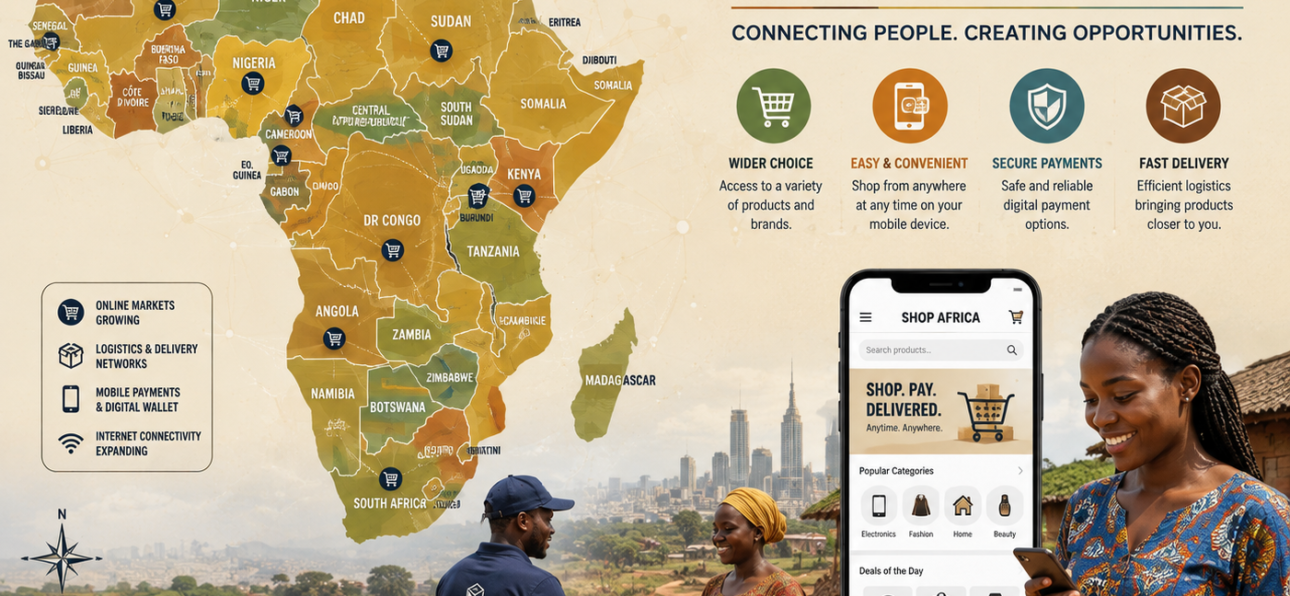
Global e-commerce is growing rapidly, and many businesses from the UAE and Europe are now selling products into African markets, especially Kenya. With a strong digital economy, mobile payments, and growing demand for imported goods, Kenya has become a key destination for international e-commerce expansion.
However, successful entry into the Kenyan market requires a clear understanding of logistics, customs, and last-mile delivery.
Why UAE and Europe Ship to Kenya
Businesses from UAE and Europe choose Kenya because:
- Growing e-commerce demand
- Strong mobile money ecosystem (M-Pesa)
- Expanding middle-class consumer base
- Strategic gateway to East Africa
Many brands also use the UAE as a consolidation hub before shipping into Africa.
Common Shipping Methods to Kenya
International businesses typically use:
1. Air Freight
- Fast delivery (3–7 days)
- Ideal for high-value or urgent goods
2. Sea Freight
- Cost-effective for bulk shipments
- Longer delivery time (2–6 weeks)
3. Courier & Express Services
- DHL, Aramex, and other global couriers
- Best for small parcels and e-commerce orders
Customs & Clearance in Kenya
All goods entering Kenya must go through customs clearance managed by KRA (Kenya Revenue Authority).
Key requirements include:
- Commercial invoice
- Packing list
- Bill of lading or airway bill
- Import duties and taxes
Efficient customs handling is critical to avoid delays and extra costs.
The Role of Fulfillment Partners in Kenya
Once products arrive in Kenya, businesses need a local partner to handle storage, orders, and delivery.
This is where companies like SmartBox Courier play a key role by offering:
- Warehousing and inventory storage
- Order fulfillment and packaging
- Last-mile delivery across Kenya
- Cash on Delivery (COD) handling
 Learn more here:
https://smartboxcourier.com/order-fulfillment/
With a reliable fulfillment partner, international businesses can operate in Kenya without needing a physical presence.
Why Local Fulfillment is Critical
Without a local logistics partner, businesses often face:
- Delayed deliveries
- High return rates
- Poor customer experience
- Difficulty managing COD payments
A strong fulfillment system ensures smooth operations through reliable order fulfillment services in Kenya.
How International E-commerce Works in Practice
- Products are shipped from UAE or Europe
- Goods arrive via air or sea freight
- Customs clearance is completed in Kenya
- Inventory is stored in a local warehouse
- Orders are processed and delivered to customers
This system allows businesses to scale efficiently across East Africa.
Conclusion
Kenya presents a major opportunity for UAE and European e-commerce businesses. However, success depends on having the right logistics strategy in place.By combining international shipping with a reliable local fulfillment partner like SmartBox Courier, businesses can enter the market smoothly, deliver faster, and grow sustainably.